
Fatigue that doesn't go away. Easy runs that feel harder than they should. A fitness plateau that doesn't respond to more training. These are the signs most runners attribute to overtraining or poor sleep. But one of the most common and most overlooked causes is iron deficiency.
Iron is the most frequently depleted nutrient in endurance athletes, and runners are particularly vulnerable to it. If you've ever felt like your engine is running on half power despite training consistently and sleeping well, iron is worth looking at.
What Iron Does
Iron's primary job is carrying oxygen. It's the core component of haemoglobin, the protein in red blood cells that picks up oxygen in your lungs and delivers it to your working muscles. When iron levels are low, your blood carries less oxygen, and your muscles have to work harder to produce the same output. That's why the first thing runners notice with low iron isn't a number on a blood test – it's a run that felt inexplicably hard.

You track your miles.
We'll handle the meals.
Try Fuel App NowBETAWill eventually be released to the Apple App Store and Android Play Store.


Iron also plays a role in energy metabolism and immune function, both of which matter for runners in heavy training.
Why Runners Are Especially at Risk
Several things about running specifically increase iron loss and reduce iron availability.
Foot strike haemolysis is one of the more unusual mechanisms. The repeated impact of your foot hitting the ground literally destroys red blood cells in the small blood vessels of your feet. Research comparing runners to cyclists at equivalent effort found fourfold greater haemolysis after running, confirming footstrike as the primary driver. [1] Higher mileage means more of this, which is why it shows up more in high-volume runners than in other endurance athletes.
Sweat losses contribute a small but real amount of iron loss, particularly during long efforts in the heat.
Inflammation from training temporarily suppresses iron absorption in the gut through a hormone called hepcidin. After hard sessions, hepcidin rises and iron absorption drops significantly. Research shows hepcidin peaks around 3 hours post-run and typically returns to baseline by 6 hours. This gives runners a practical rule: for maximum iron absorption, eat your iron-rich meals either before exercise or at least 6 hours after a hard session. Easy runs trigger a much smaller hepcidin response, so iron timing matters most around your harder efforts. Eating iron-rich food in the immediate post-run window after an intense session is not harmful, but you will absorb meaningfully less of it.
Female runners face additional risk from menstrual blood loss, which makes iron deficiency significantly more common in women who run. Estimates across studies suggest anywhere from 15 to 35 percent of female endurance athletes have depleted iron stores – a wide range reflecting differences in how deficiency is defined and measured, but consistently higher than in the general population. [2]
The Difference Between Low Iron and Iron Deficiency Anaemia
This distinction matters because the conversation about iron often jumps straight to anaemia, which is the severe end of the spectrum. But iron deficiency without anaemia – where your stores are depleted but haemoglobin is still technically normal – is far more common and can still meaningfully impair performance.
If you suspect low iron, a blood test that includes ferritin (your iron storage marker) is more informative than haemoglobin alone. Many runners are told their blood work is normal when their ferritin is actually quite low. A sports medicine doctor or dietitian familiar with athletes can help interpret what the numbers mean for your situation specifically.
Real Food Sources
The most bioavailable form of iron is haem iron, found in animal products. Red meat, chicken, fish, and eggs all provide it. Non-haem iron from plant sources – lentils, spinach, tofu, pumpkin seeds, fortified cereals – is also valuable but absorbs less efficiently.
A few practical strategies that make a real difference:
Combine iron with vitamin C. Vitamin C significantly enhances non-haem iron absorption. Squeezing lemon over lentils, adding bell pepper to a spinach salad, or having fruit alongside an iron-rich meal are all easy ways to do this.
Be mindful of calcium timing. Calcium competes with iron for absorption. Separating your high-iron meals from large servings of dairy where possible – not obsessively, just with some awareness – helps.
Watch the coffee and tea. Tannins in coffee and tea inhibit iron absorption. Having them with or immediately after an iron-rich meal reduces how much you actually absorb. Waiting an hour makes a meaningful difference.
Salmon is one of the better recovery choices for iron alongside protein and omega-3s:
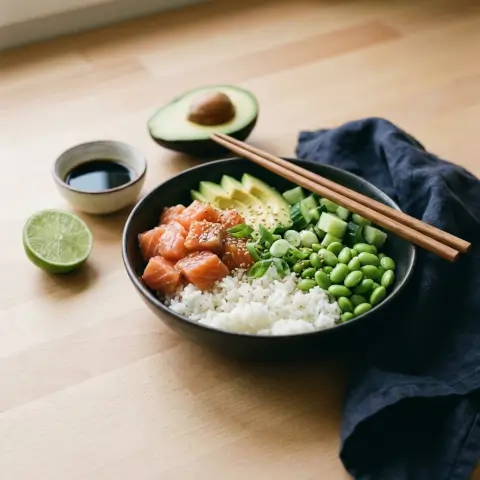
Salmon Poke Bowl
For a plant-based iron source, the lentils in this recovery soup are one of the best non-haem options available, especially when paired with something vitamin C-rich on the side:
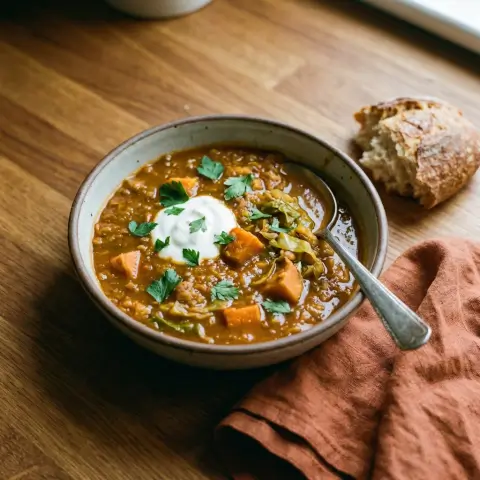
Spicy Cabbage & Lentil Recovery Soup
When to Talk to a Doctor
Food is the right starting point, but if your symptoms are significant or persistent, get a blood test before self-supplementing with iron. Too much iron is harmful, and supplementing without a deficiency doesn't improve performance – it just creates a different problem. If your ferritin is genuinely low, supplementation under medical guidance is often the right call alongside dietary changes.
This article is for informational purposes only and is not a substitute for medical advice. If you suspect iron deficiency, please speak with a doctor or registered dietitian who can properly assess your levels and guide you.
Every recovery recipe in Fuel.fit is built around whole food ingredients – the kind that provide iron, protein, and the micronutrients that keep you training consistently.
Sources
[1] Telford RD, Bunney CJ, Catchpole EA, et al. Footstrike is the major cause of hemolysis during running. J Appl Physiol. 2003;94(1):38-42.
[2] Blumkaitis JC, Brauns F, Jendricke P, Carlsohn A. Approaches to prevent iron deficiency in athletes. Dtsch Z Sportmed. 2024;75(5).